Sounds like fortune cookie wisdom. But do you really get what I mean?
I’ve always struggled with money. I have earned, made, borrowed, and begged for money in the past – the last one I’m not so proud of. This cash uncertainty has defined a part of me that has fixed both my ceiling and appetite for prosperity.
I also have a faulty wrist and a receding hairline, something I consider a mark of fast-approaching old age. It sounds silly, but these tiny markers have enormous control over my belief system – who I am and what I am capable of achieving ‘realistically.’ You may have your version of shortcomings, which marks your border of competence.
This is not my story on grief but a thought experiment on how we direct our life’s story to either growth or doom. If you see yourself among these words, know that I see you too, friend.
Let’s begin.
This isn’t what I wanted
That innocent question we’ve all answered in our childhood turns out to be a two-pronged complicated one. “Who do you want to be when you grow up?“
I didn’t understand it the first time and vaguely remember saying, “I want to marry Juhi Chawla.” A pretty reasonable answer for a four-year-old, I’m sure.
Years later, I can see that none of my childhood wishes came true. We could argue that most of them weren’t reasonable in the first place, but this story of unmet dreams became a pattern that quickly diluted my sense of direction and purpose, something I’m struggling with right now.
So, about the two-pronged question—’Who’ do you want to be?’ and ‘When you grow’ up’—points to two very distinct markers of life goals. While one explains a way of life and the other our age, no kid or their elders had the answer to these two during their first appearance.
A couple of decades in, I get this unpleasant ringing in my head that keeps saying this isn’t what I wanted. Not even close. Juggling through jobs, acquiring skill sets, and haggling for better LPAs, there’s this deep resentment over what could’ve been rather than what I am now.
I never realized this, but my story had been failing me all this time.
The weight of shame
It seems I have given in to the death grip of my identity. Monotony is the name of the game, and greatness is nowhere to be seen. Accepting fate is acceptable behavior, and fancy dreams are fancy at best.
I once wished to become a footballer who would singlehandedly win India the World Cup. Then a world-famous actor, politician, and even Ironman at one point. As life progressed, each of these dreams seemed more unrealistic than the one before, and by the time I reached college, I became one among the many.
My dreams silently live with me still, their invisible weight stooping my neck to accept the story I’m given.
And when responsibilities piled up, I slowly shed my outrageous dreams to make way for sensible ones, dreams that could help solve things in the short term. A fairly paying job with enough time out for movies and occasional travel began to sound nice. At least that was achievable.
But I see how it adds up to the shame of my lost dreams. I see friends and colleagues succeed at their jobs, marry at a reasonable age, have kids and take them to school, and even manage international trips once every year – at least that’s what I see on Instagram.
All this sounds like a rant, and a part of me wants to continue. But I know reality is never what it appears to be. Even the lost dreams of my past create a very skewed narrative that’s comfortable enough to be chosen as my story.
Countless therapy, tea, and evening bike rides later, I understand that every limiting belief has its source in the story we learn to accept. Listen carefully to what you tell others, and you might just hear the clang of the chains that pull you back.
If you did, let’s figure out how to break out of it.

In essence:
- Dreams change with age for most of us.
- Unmet dreams live with us silently.
- The weight of my past burdens me.
- Unmet dreams skew our narrative.
- Limiting beliefs stem from stories we accept.
Redemption
Much of my college and early job years were spent on self-blame. My inability to finish college on time, to secure a high-paying job, to have thrown away my dreams for mere trinkets—everything painted a grim picture of loss and draining self-worth.
At one point I believed that all this misfortune was fate playing its hand in retribution for my quandary. When confusion reigned, it was easy to blame the world and find solace in made-up stories that were polar opposites of my dreams.
What went wrong? Every waking moment welcomed me with this unanswerable question, as it was impossible to betray my past for taking me away from my desired future. Because even when I blame my past for being so harsh, the lessons and experiences sure came in handy in my journey ahead.
I don’t think I’m the only one to have this love-hate relationship with the past. But I’m acutely aware that I shouldn’t bear its weight willingly. This is the first step towards creating a new story. This non-acceptance of the hand that’s been dealt to me.
My past doesn’t have to forgive me, nor should I seek redemption from it.
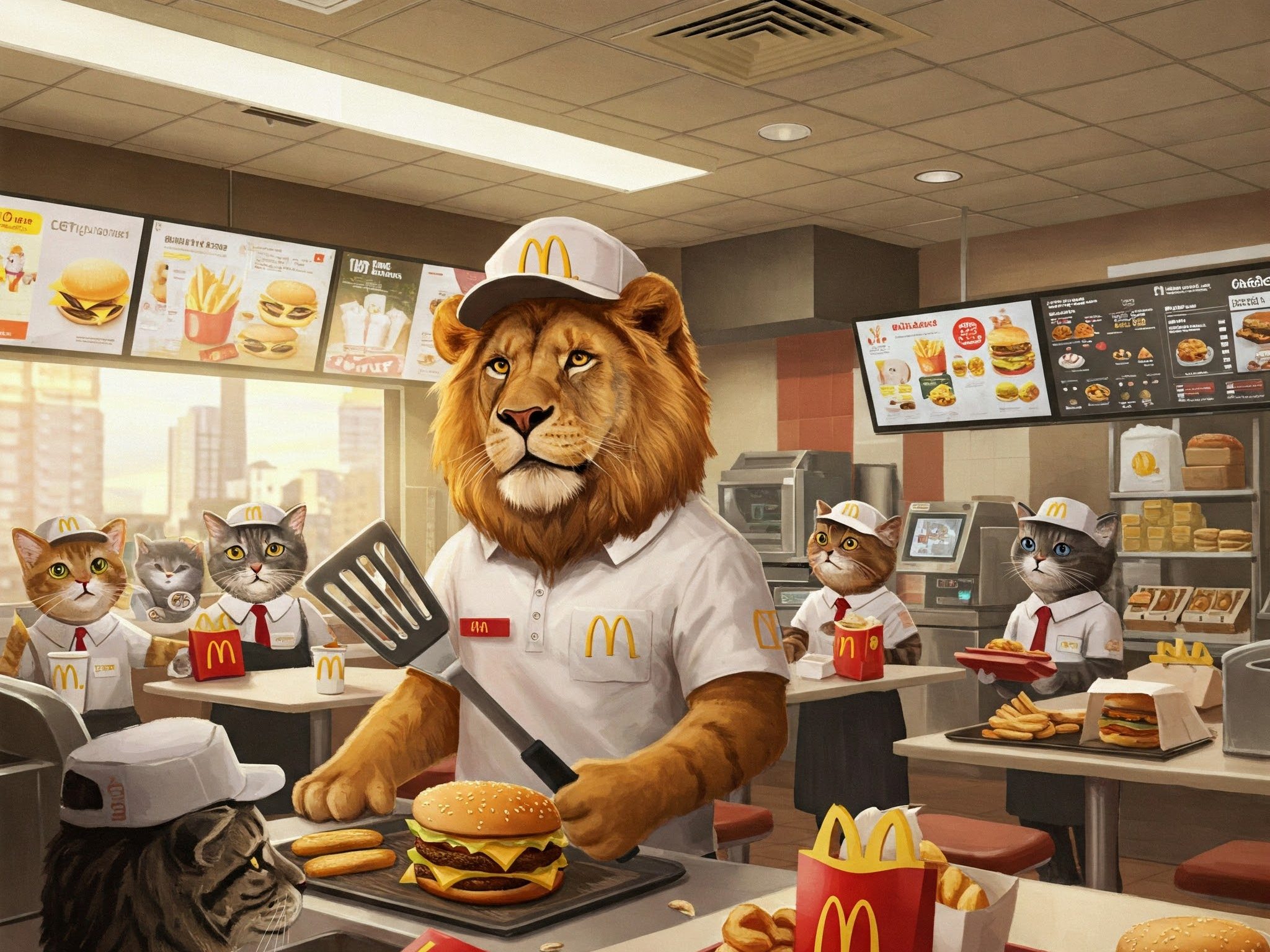
I’m allowed to dream again, only if I let my mind accept that it’s okay to shake away my made-up identity. I picture a lion wearing the nametag of a kitty cat, meowing too hard to prove it’s just an overgrown cat.
Complacency will be our greatest fall, and every app, gadget, or even a piece of furniture has the potential to pull us into inaction. The redemption I talked about can only be understood and fought in silence. Since these things don’t reveal themselves during the indulgence of our senses, seeking moments of silence is the only way to bring our reality to the front and confront it.
Silence is golden and, coupled with reflection, will render incredible insights.
You are free to change your story now. Let’s now tackle the second pitfall in the narration of our story.

In essence:
- We are the stories we believe in.
- Past is a teacher and a villain.
- You can’t ask your past for redemption.
- Seek silence from every senses.
Eyes wide open
Take a few minutes to remember your wins in the order in which they happened to you. If you did, now try remembering every loss that you encountered along the same route. If you have more losses to count than wins, congrats – you’ve successfully misplaced your journey markers.
It’s unsurprising to misplace our self-worth in ill-defined story markers when we’re struggling. Our survival instincts have kept us from taking risks for the most part. So the failures in the past did look like good choices in that time frame. The only problem here is these markers will define your self-worth and will not be accurate to your real story.
To understand my true story, I must understand my current frame of reference. Until yesterday, I used to scroll endlessly through Instagram whenever I felt stressed. I went out to smoke once or twice in response to my anxiety.
Food isn’t plentiful, but I make sure to eat more than my share, feel tired, and sleep too much in the afternoon. Evenings get blurry without purpose; the overwhelming reality of inaction puts me into even more stress that takes away my sleep.
If you face even marginally similar difficulties to mine, put your phone away. Sit silently. Reflect on your journey without judging. Take a shower if needed. Write down what you like to do. A completely vague plan on paper will do wonders for your psyche.
If possible, do it now. The rest of the story can wait.
Your physical playground is restricted by your mental warzone. We both know this. It’s time to reclaim what’s yours. For that to happen, this awareness of your mental struggle is crucial. Adjusting your mental markers is non-negotiable. Accepting everything you have now is paramount. Again, no judgments.
The first step is reclaiming time from your key time drainers. While you try to figure out your key time drainers, think of a legendary being – human or fictional—and visualize what that person looks like. We’ll need that in a minute.

In essence:
- Redefine your story markers
- find out your key time drainers
- To find clarity: put your phone away > embrace silence > reflect without judgement > write what you saw > write a rudimentary plan > repeat until you get the point.
Too late to change?
Does greatness have an age? I’ve always imagined greatness to come by in my youth, as that’s what I grew up watching. Young footballers winning trophies, driving supercars, and having great fan followings.
The idea of greatness kept on shifting as I grew up, always adjusting to my current reality. I’ll share an example of perceived age of greatness:
In my childhood, footballers usually peaked at the age of 28, starting their careers at 18 and retiring before hitting 35. I thought that’s how it should be, and then there is Ronaldo. So the markers for age-based dreams are all borne out of what’s generally accepted. Not based on truth or ability.
So whatever my age may be, there’s always time for greatness. Unless I’m certain that I’ll die in 3 years, I have time to build what’s mine and sit among the greatest in my desired field. And if I’ll certainly die in 3 years, why not die a legend?
You see how our past has no effect on our impending greatness except for the cloud it creates from visualizing our dreams clearly. We have now successfully dethroned the second part of the question – who do you want to be when you grow up?
Let’s tackle the first part and the greatest question of them all: who do you want to be?
The Legend of [Your name]
If you read through the journey so far, we both know what we’re struggling through.
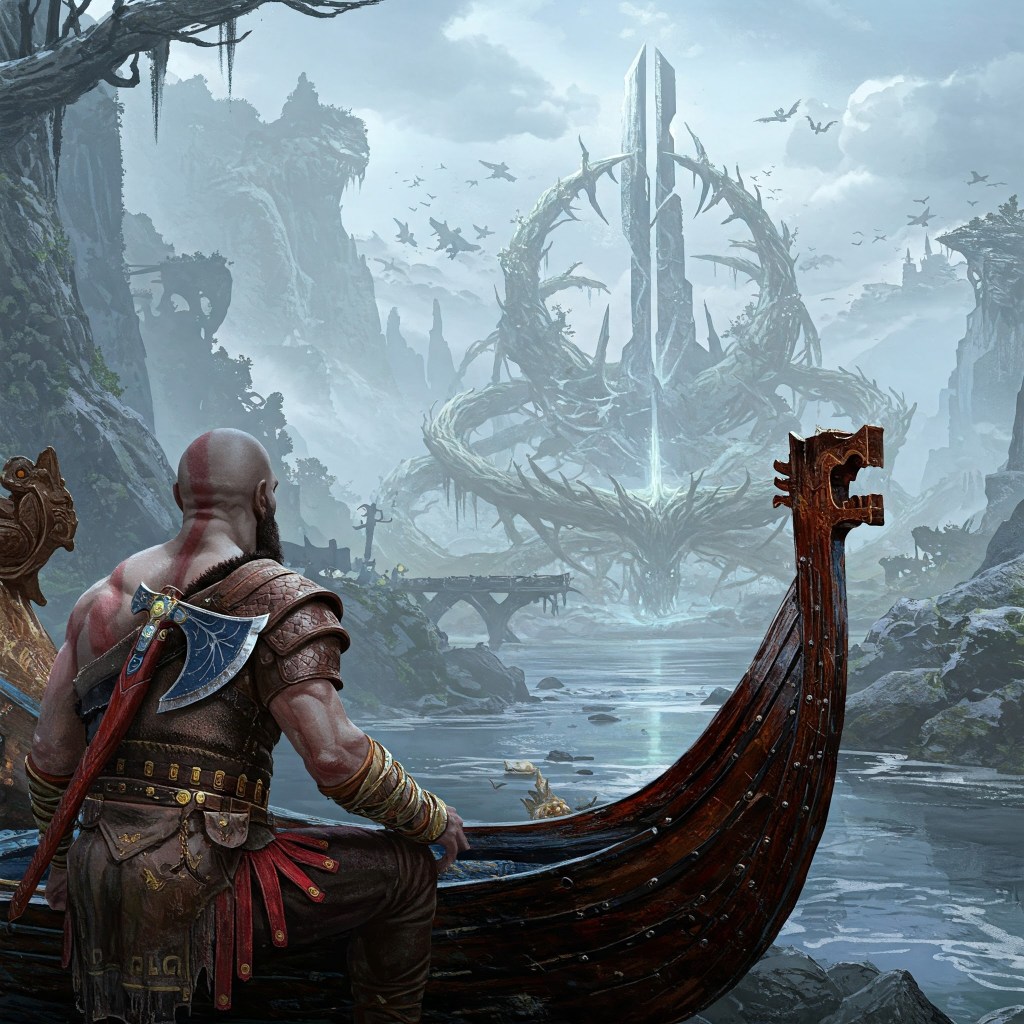
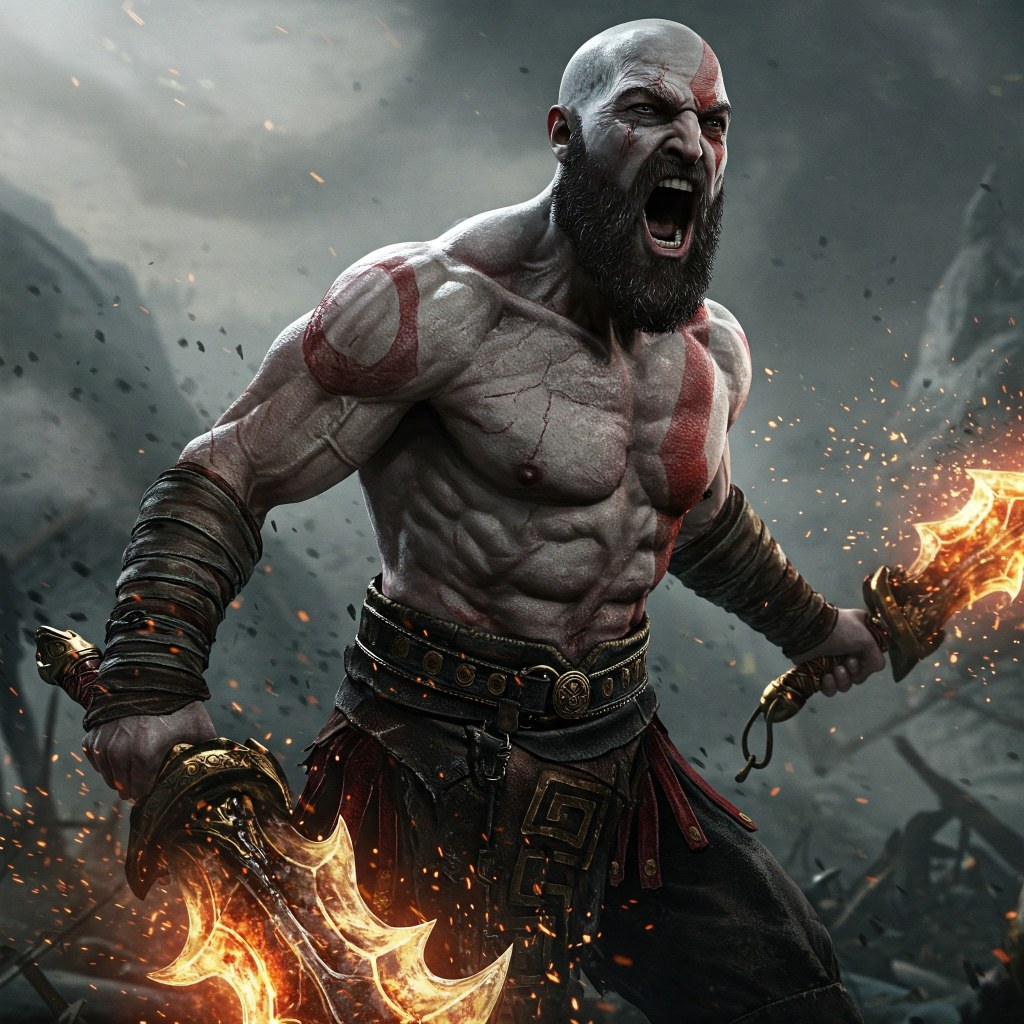
It’s time to bring the legend into the picture. Earlier when I asked you to imagine a legend, I was thinking of Kratos, the hero of the game God of War, which initially released some 18 years ago. Originally just a hack and slash game with a lot of rage and chaos, their latest edition shows him as an aged man.
He is struggling to get over his past and trying to be a good father. The ghosts of his past still haunt him, and his emotional intelligence is mediocre at best. But as he battles through, he notices changes in his mind, separating himself from the stories he’d been fed all his life, and finally realizing his true potential as the game progresses.
Most heroes are like that. They don’t start at the top. They begin at the bottom, like you and me. They too have limiting stories until they take action. They fight their way up, and the only way they achieve this by building momentum.
This continuous change in story enabled by their newfound momentum is the seed of greatness.
Never fixing anything, always fluid, always learning from within and understanding that legends are all mere mortals who were consistent. If you have a legend in mind, imagine their journey so far and compare it with yours.
Strangely, you wouldn’t find much difference other than the scale or the material limitations of their struggle but the nature of their struggle isn’t so different from yours.
Also, when do you call someone great? Should they win a championship, win a revolution, or defeat all their opponents? Or are they already great when they decide to tread a certain path that never guarantees victory, but shows signs of possibility? This is for you to decide.
Change begins now. And you are already on the path. Accept that everything around you is not there to support you, but to test your might. It will test your wisdom, peace, patience, courage, and whatever great emotions that your legend had to master.
In essence, you and the legend of your dreams aren’t too different after all.
Momentum, my guy. Momentum.
In essence:
Read. TL;DRs won’t help you anymore.
Here’s my legend
If you have 8 more minutes to spare, I urge you to watch this badass scene from the game God of War Ragnarok, where the ghost of Sparta, Kratos, confronts his past and finds peace with himself. (use headphones for maximum impact!)



 Binny baburaj | (Work in progress)
Leave a comment